Electrical Installation Condition Reports (EICRs)
What Is an EICR?
An Electrical Installation Condition Report (EICR) is a detailed inspection of your property’s fixed wiring. It checks that your electrical installation is safe, complies with current regulations, and does not present a risk of electric shock or fire. EICRs are required for landlords every 5 years, and recommended for homeowners every 10 years — or when buying or selling a property.
What Happens During an EICR?
During an EICR, we:
• Inspect the consumer unit (fuse board)
• Check earthing and bonding
• Test socket circuits, lighting circuits, and fixed wiring
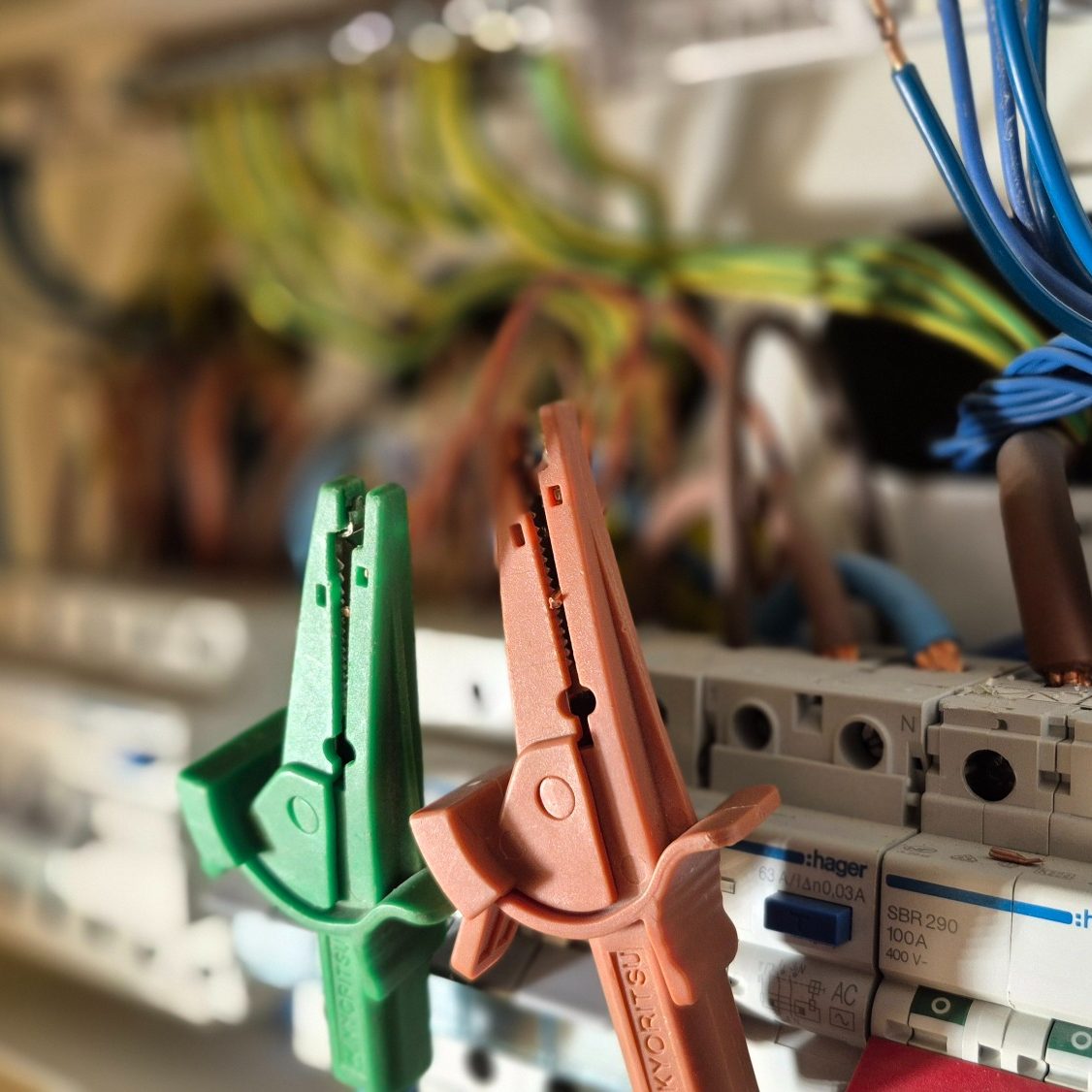
• Carry out dead testing and live testing
• Check polarity and earth fault loop impedance
• Test RCD / RCBO protection
• Inspect visible wiring for signs of damage, overheating, or DIY alterations
⚡ Power will need to be turned off at certain points during testing.
Any issues found during the inspection will be assigned a code: C1, C2, or C3, indicating the severity and urgency of the problem.
The process usually takes:
• 2–4 hours for a typical 2–3 bedroom property
• Longer for larger properties
What Do The EICR Codes Mean?
• C1 – Danger Present (Immediate action required)
• C2 – Potentially Dangerous (Urgent remedial work required)
• C3 – Improvement Recommended (Not unsafe, but not to current standard)
• FI – Further Investigation Required
If a report contains C1 or C2 codes, it is classed as unsatisfactory.
Minor Issues Found During an EICR
During testing, small issues are sometimes identified that can be resolved at the time of inspection, such as:
• Loose connections at accessories
• Loose or insecure back boxes
• Minor terminations requiring adjustment
• Ring final circuits without correct end-to-end continuity
Where possible, these minor faults can often be corrected during the inspection to avoid unnecessary follow-up visits.
What Happens If the EICR Report Is Unsatisfactory?
Most failures are straightforward to resolve and commonly relate to:
• Lack of RCD protection for sockets that could be used outdoors
• Inadequate earthing or bonding
• Damaged accessories
• Older consumer units without modern protection
Where remedial work is required, a clear estimate will always be provided before any work is carried out.
Remedial work can usually be completed promptly once approved.
When Should You Have an EICR?
• Landlords – Every 5 years (legal requirement)
• Homeowners – Every 10 years
• Before buying or selling a property
• If your installation is over 25–30 years old
• After major electrical alterations
Why Choose RW Currion Electrical For Your EICR?
• Fully qualified and insured
• Clear explanations — no jargon
• Work completed to the latest BS 7671 standards
• Safety-first approach to protect your home, family, and electronics
• All EICRs come with full certification and emailed for your records.
Honest advice on EICRs - learn more at our EICR services page
Call now: 01295 533378
Mobile: 07740 100378