10. March 2026
LED Downlights Guide
LED Downlights: What Homeowners Should Know
LED downlights have become one of the most popular lighting choices in modern homes. They are energy-efficient, long-lasting, and provide clean, bright lighting for bathrooms, hallways, living spaces, and bedrooms.
However, like any electrical installation, they need to be installed correctly to ensure safety and reliability.
What Are LED Downlights?
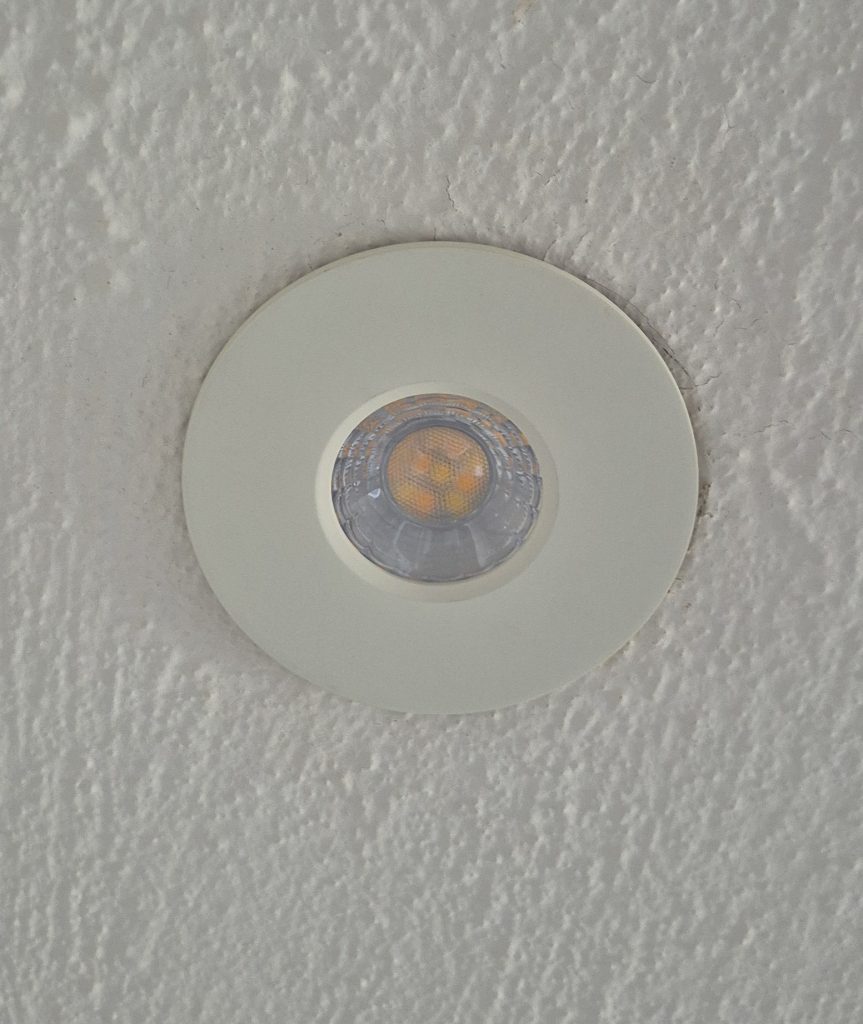
LED downlights (sometimes called recessed spotlights or ceiling downlights) are light fittings that sit flush with the ceiling. Instead of hanging down like a pendant light, the fitting is recessed into the ceiling and directs light downward.
They work using light-emitting diodes (LEDs) mounted on a circuit board, which emit light when electricity passes through them. This design makes LED downlights energy-efficient, long-lasting, and cooler to the touch compared with halogen or incandescent bulbs.
They are commonly used in:
• Bathrooms
• Hallways
• Living rooms
• Bedrooms
• Extensions and loft conversions
Benefits of LED Downlights
LED technology offers several advantages compared with older halogen spotlights:
• Lower energy use
• Long lifespan
• Bright, clean light
• Minimal heat compared to halogen
• Modern, sleek appearance
Many homeowners replace older halogen downlights with LED versions to reduce electricity use and maintenance.
Fire-Rated LED Downlights Explained
In most homes, the ceiling between floors acts as a fire barrier, slowing the spread of fire and giving occupants time to escape — similar to fire doors.
When holes are cut for downlights, this barrier can be weakened. Standard light fittings may allow heat and flames to pass more quickly.
Fire-rated downlights contain special materials that expand when exposed to heat, helping seal the opening and maintain the ceiling’s fire resistance.
Common fire ratings in UK homes:
• 30 minutes – typical for standard plasterboard ceilings
• 60 minutes – common in many modern floor constructions
• 90 minutes – used in higher-spec or multi-layer ceilings
Using fire-rated downlights helps maintain the ceiling’s protection between floors.
Bathroom LED Downlights and IP65 Ratings
Bathrooms require extra protection due to moisture. Electrical fittings are given an IP rating (Ingress Protection) indicating resistance to water and dust:
• IP65 downlights – Protected against water jets, suitable for shower areas
• IP44 downlights – Protected against splashes, suitable for most bathroom zones
• IP20 – Standard indoor rating for dry areas, not suitable for wet zones
Choosing the correct IP-rated downlight ensures safety in damp bathroom areas.
Warm White vs Cool White LED Downlights
LED downlights come in different colour temperatures, which affect how the light looks in a room:
• Warm White (2700K–3000K) – soft, yellow-toned light, ideal for living rooms and bedrooms; gives a cozy, comfortable feel
• Cool White (4000K) – bright, whiter light, suitable for bathrooms and work areas; gives a clean, modern feel
• Daylight (5000K+) – very bright, bluish light; while available, it is not usually recommended for home interiors as it can feel harsh and unnatural
Choosing the right colour temperature can dramatically change the feel of a space, so most homeowners prefer warm or cool white over daylight.
Insulation and LED Downlights
Loft insulation keeps heat inside a home but can cause issues if it covers light fittings.
Traditional halogen downlights must never be covered, as overheating can occur. Modern LED downlights run cooler, but insulation should sit loosely over the fitting, not tightly packed, unless the fitting is insulation contact (IC) rated.
Energy and Cost Savings With LED Downlights
LED downlights use much less power than traditional halogen GU10 bulbs.
• Typical halogen GU10: 50 watts
• Typical LED: 5 watts — around 10 times less
For example:
• 4 halogen downlights = 200 watts
• 4 LED downlights = 20 watts
A typical room may have 4–6 downlights, so switching to LEDs results in significant energy and cost savings over time, and less heat output in the room.
The Risks of Cheap LED Downlights
Very cheap downlights may seem like a bargain, but can cause problems:
• Poor build quality
• Short lifespan
• Flickering lights
• Overheating drivers
• Lack of proper safety certification
Quality fittings from reputable manufacturers are safer and more reliable over time.
Integrated vs GU10 LED Downlights
LED downlights come in two main types: integrated or GU10 replaceable bulbs:
• Integrated LED downlights have the LED built into the fitting. Many newer models allow you to replace just the LED module without touching the wiring or removing the whole fitting. They are very energy-efficient and long-lasting. Integrated designs are often flatter, making them ideal for ceilings with limited void space.
• GU10 downlights use replaceable LED bulbs. This makes it easier for the user to change the bulb if it fails, and they can be just as energy-efficient as integrated LEDs. The fixture may be slightly larger than integrated versions.
Choosing the right type depends on your priorities: longevity, low-profile design, and sleek aesthetics (integrated) versus flexibility and easy maintenance (GU10).
Need Help With LED Downlights?
If you're planning to install LED downlights, replace old halogen lights, or upgrade your bathroom lighting, it’s important the work is carried out safely and correctly.
A qualified electrician can help with:
• Installing new ceiling downlights
• Upgrading to energy-efficient LED lighting
• Installing IP-rated bathroom downlights
• Replacing older halogen fittings
You may also find these pages helpful:
• Lighting installation services
• Electrical services
• Electrical safety advice
If you’d like advice or a quote, get in touch today to discuss your lighting project.