7. March 2026
My RCD Keeps Tripping!
Why Does My RCD Keep Tripping? And What To Do About It
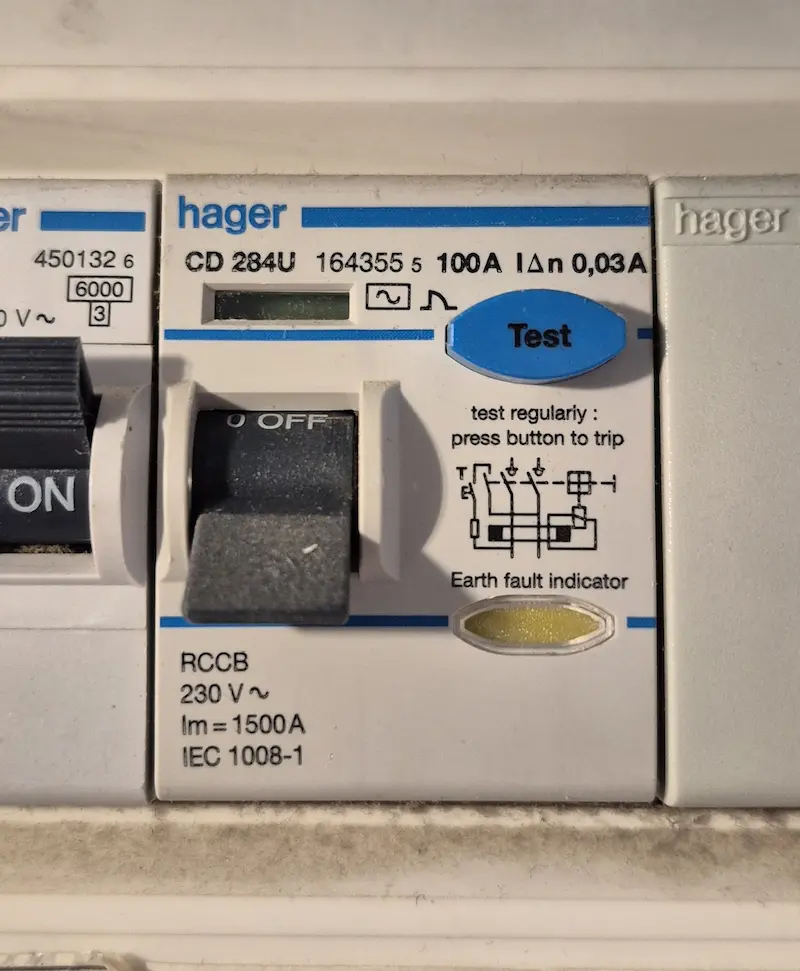
If you’ve noticed your RCD (Residual Current Device) or RCBO keeps tripping, it’s not just annoying — it’s your home’s electrical system warning you that something isn’t right. Learn how these devices protect against shocks and how to spot potential faults.
What Is an RCD?
An RCD is a safety device fitted to your consumer unit. It constantly monitors the flow of electricity and will cut the power instantly if it detects a leak or imbalance, protecting anyone in contact with electricity from harm. In most homes, RCDs are designed to trip at around 30 mA (milliamps), which is a small current that could still be dangerous to a person.
Some circuits may use an RCBO (Residual Current Breaker with Overload protection), which combines the functions of an RCD and a standard circuit breaker, protecting both against electric shocks and overloads.
Common Reasons RCDs Trip
Faulty Appliance
One of the most common causes is a faulty appliance. Items like kettles, washing machines, or heaters can develop internal faults that cause a small current leak. Even a minor leak is enough to trigger the RCD.
Overloaded Circuit
Plugging too many high-power appliances into the same circuit can sometimes overload it. While RCDs mainly protect against shocks, an overloaded circuit can cause them to trip if current starts leaking.
Moisture or Dampness
Water is a big trigger for RCDs. If sockets, switches, or appliances are damp, particularly in kitchens, bathrooms, or outdoor areas, your RCD may trip to prevent a dangerous shock.
Wiring Issues
Faulty or damaged wiring, old circuits, or poor connections can also cause RCD trips. This is more common in older properties where wiring may not meet modern safety standards.
RCD Age or Fault
Like all electrical devices, RCDs can wear out over time. A defective or old RCD may trip without a real fault elsewhere, which is another reason why regular electrical inspections are important.
Other electrical faults
Issues like a neutral-to-earth fault, defective RCD, or electrical surge can cause leakage that the RCD will respond to.
How to Diagnose the Problem
Here are some steps you can try safely at home:
- Unplug all appliances on the circuit that keeps tripping. If it can't be unplugged then switch off at the wall.
- Reset the RCD. If it stays on, the issue is likely with an appliance rather than the wiring.
- If the RCD trips immediately or won’t stay on, try switching off all the MCBs in your consumer unit and then switch them back on one at a time. This can help identify the specific circuit causing the problem.
- If an RCBO trips, you already know the fault is on that specific circuit, so focus on appliances or wiring connected to it.
- Switch appliances on one at a time to see which one causes the trip.
- Check wet areas for moisture around sockets, switches, or appliances.
If the RCD trips immediately even with all appliances off, or the cause isn’t obvious, it’s likely a wiring or RCD/RCBO fault, which requires a qualified electrician. We can help with fault finding and repairs or consumer unit upgrades to fix faults safely and professionally.
Safety First
An RCD tripping is not something to ignore. Frequent trips are your home’s way of saying there’s a potential hazard. If you cannot identify the cause, call a certified electrician to inspect your system — it’s the safest way to protect your home, your family, and your electronics.
Tip
Regular electrical inspections, such as an EICR, can catch faults early, keeping your RCD or RCBO working properly and preventing trips before they become dangerous. You should also test your RCD regularly using the test button (usually marked “T” or “Test”) to make sure it’s working correctly.