Different Types of Light Bulbs Used in UK Homes
Light bulbs (properly known as lamps) have changed significantly over the years. Many older homes once used incandescent, halogen, or fluorescent lamps, but most lighting today uses energy-efficient LED bulbs.
In the electrical industry, light bulbs are commonly referred to as lamps, although the term light bulb is widely used by homeowners.
Understanding the different types of light bulbs helps you choose the correct replacement, improve energy efficiency, and ensure your lighting works safely and effectively.
This guide explains the most common types of light bulbs (lamps) found in UK homes.
Common Light Bulb Types in UK Homes
The most common light bulbs (lamps) found in UK homes include:
• GU10 – spotlight bulbs used in ceiling downlights
• B22 (Bayonet Cap) – traditional push-and-twist bulb fitting
• E27 (Edison Screw) – large screw-type bulb used in many lamps and pendants
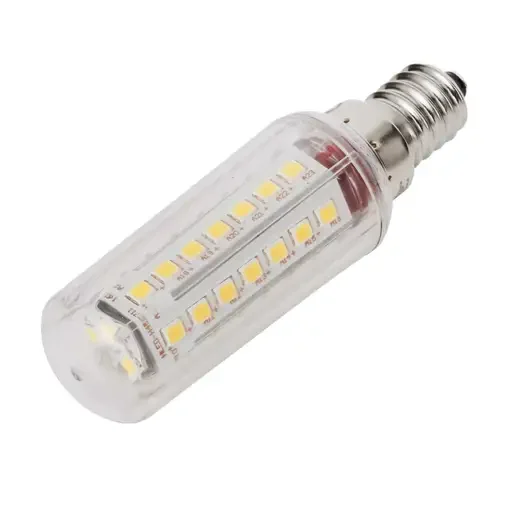
• E14 (Small Edison Screw) – smaller screw fitting used in decorative lights and appliances
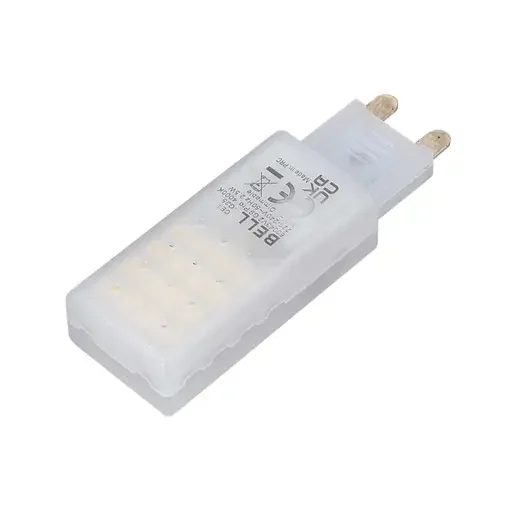
• G9 – small capsule bulbs used in wall lights and decorative fittings
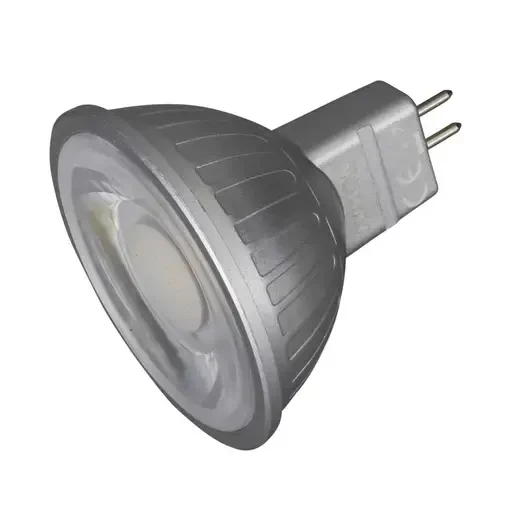
• MR16 – low-voltage spotlight lamps used with transformers
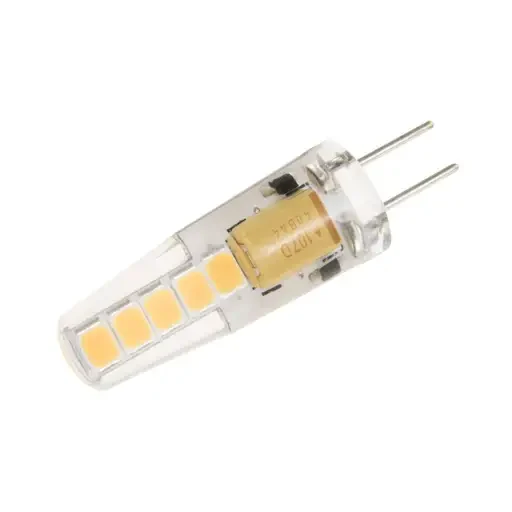
• G4 – small capsule lamps often used in cabinet or display lighting
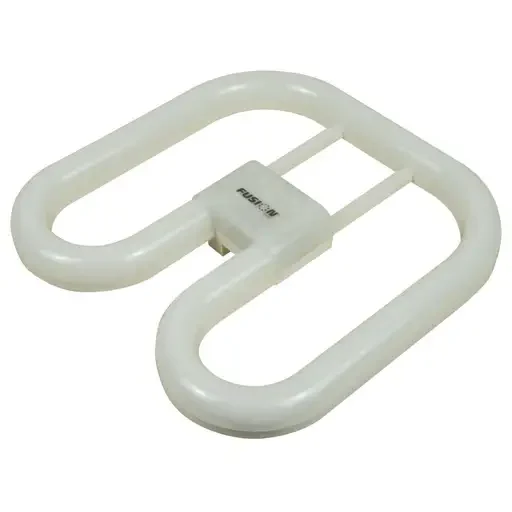
• 2D lamps – fluorescent or LED lamps used in bathroom ceiling lights and bulkhead fittings
LED Light Bulbs
Most modern light bulbs are now LED (Light Emitting Diode) lamps. LED technology has largely replaced older incandescent and halogen bulbs because it uses far less electricity and lasts much longer.
An LED bulb contains small electronic components called diodes mounted on a circuit board. These diodes emit light when an electric current passes through them, producing light very efficiently with far less heat than traditional filament bulbs.
Typical advantages of LED bulbs include:
• Very low energy consumption
• Long lifespan (often 15,000–25,000 hours)
• Much less heat than traditional bulbs
• Available in many different fittings and brightness levels
For example, a 50-watt halogen spotlight can often be replaced with a 5-watt LED, producing similar light while using around 90% less electricity.
GU10 LED Bulbs
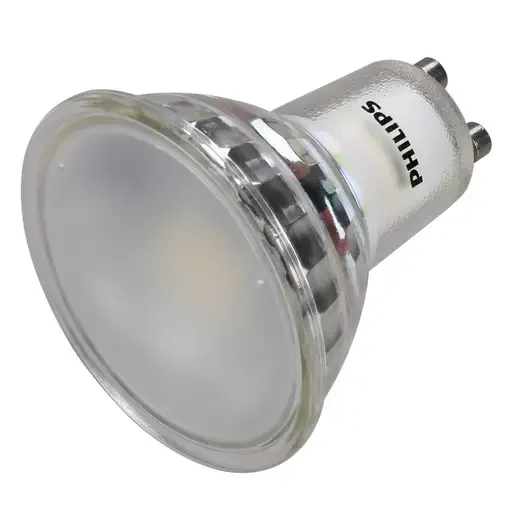
GU10 bulbs are commonly used in ceiling spotlights and downlights.
They have a twist-and-lock fitting where the bulb is inserted and turned to secure it in place. Older GU10 lamps were usually halogen, but modern replacements are typically LED.
LED GU10 bulbs are widely used because they:
• Use far less electricity than halogen versions
• Produce less heat
• Last much longer before needing replacement
Image of an LED GU10 bulb:
B22 Light Bulbs (Bayonet Cap)
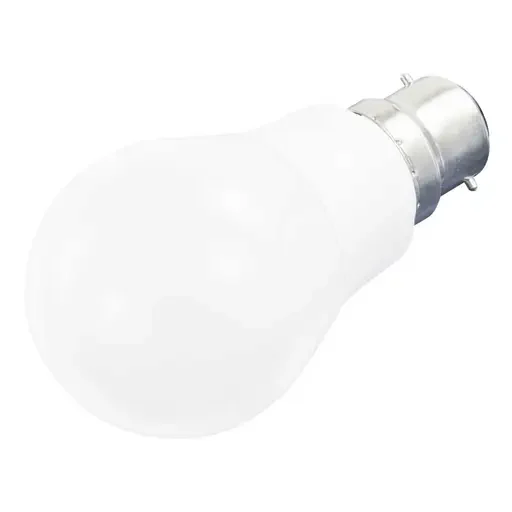
The B22, also known as a bayonet cap, is one of the most traditional light bulb fittings used in the UK.
The bulb is fitted by pushing it into the holder and twisting it to lock into place.
B22 bulbs are commonly used in:
• Ceiling pendant lights
• Table lamps
• Floor lamps
• Spotlight type light fittings
Most modern replacements are LED versions, which fit the same holder but use much less electricity.
Image of an LED B22 bayonet cap bulb:
E27 and E14 Light Bulbs (Edison Screw)
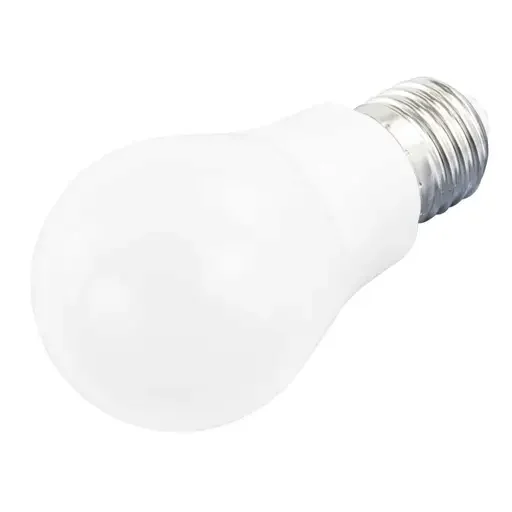
The E27 and E14 bulbs use a screw fitting and is commonly known as an Edison screw.
Edison screw bulbs are available in two common sizes:
• E27 – Standard Edison Screw (ES)
• E14 – Small Edison Screw (SES)
These bulbs are often found in:
• Decorative ceiling and wall light fittings
• Pendant lights
• Table and floor lamps
• Modern ceiling fittings
Like other bulb types, E27 and E14 bulbs are now most commonly available as LED lamps.
Image of an LED E27 Edison screw bulb:
G9 Capsule Bulbs
G9 bulbs are small capsule-style bulbs often used in decorative light fittings such as:
• Wall lights
• Outside lantern fittings
• Pendant fittings
They have two small looped pins that push into the fitting.
Older versions were halogen, but modern G9 LED capsules are now widely available and are often direct replacements, providing similar light while using much less electricity and generating less heat.
Image of an LED G9 capsule bulb:
MR16 Downlight Bulbs
MR16 bulbs are commonly found in older ceiling downlights (often called spotlights), particularly in kitchens and bathrooms.
Unlike GU10 bulbs, MR16 lamps usually operate on low voltage (12 volts) and require a transformer to step the mains voltage down.
They are identified by their two thin pins that push into the fitting.
Many MR16 bulbs were originally halogen, but LED replacements are now widely available and use far less electricity.
When replacing MR16 halogen bulbs with LED versions, it may also be necessary to replace the existing transformer with an LED driver, as many older transformers designed for halogen lamps require a higher load and may not operate correctly with low-power LED bulbs.
If the transformer is not compatible, you will usually notice straight away, as the LED bulb may flash, flicker, or fail to light.
Image of an LED MR16 bulb:
G4 Capsule Bulbs
G4 bulbs are very small capsule-style bulbs often used in:
• Cabinet lighting
• Display lighting
• Decorative fittings
They operate on low voltage (12 volts) and have two thin pins that push into the fitting.
Older G4 bulbs were halogen capsules, but modern G4 LED replacements provide the same light output while using much less energy.
Image of an LED G4 capsule bulb:
LED 2D Bulbs
LED replacements are now available for many 2D fluorescent lamps, which were commonly used in bathroom ceiling lights, bulkhead fittings, and some commercial lighting installations. These LED replacements are designed to fit into existing 2D fittings while using significantly less electricity.
LED 2D lamps provide several advantages over the older fluorescent versions:
• Lower energy consumption
• Instant full brightness (no warm-up time)
• Longer lifespan
• Reduced maintenance
However, compatibility can vary depending on the fitting. Some LED 2D replacements are designed to work with the existing ballast, while others require the ballast to be bypassed or removed. If the LED lamp is not compatible with the existing ballast, the fitting may need to be rewired to bypass the ballast or replaced with a dedicated LED fitting. If the existing ballast is not compatible, the LED lamp may flicker, flash, or fail to start.
In some cases, particularly where fittings are older or worn, it may be more practical to replace the entire fitting with a modern LED light rather than installing a replacement lamp.
Upgrading older 2D fluorescent lighting to LED can significantly reduce electricity use and improve reliability.
Image of an LED 2D bulb:
Cooker and Cooker Hood Light Bulbs
Some kitchen appliances use special small light bulbs, particularly in cookers, ovens, and cooker hoods.
These bulbs are designed to operate in high-temperature environments and may be different from standard household lamps.
Common types include:
• E14 small Edison screw bulbs used in many cooker hoods
• Oven appliance bulbs designed to withstand high temperatures
• Small capsule bulbs used in some cooker hood fittings
Because oven and cooker bulbs must tolerate high heat, it’s important to use the correct replacement bulb specified by the manufacturer.
Modern cooker hoods may also use small LED bulbs or integrated LED lighting.
Image of an LED cooker hood bulb:
Older Types of Light Bulbs You May Still Find
Many homes still contain older lighting that uses incandescent, halogen, or fluorescent bulbs.
These bulbs were once very common but are far less energy efficient than modern LED lighting.
Older lamp types still found in some properties include:
• Incandescent filament bulbs
• Fluorescent tubes used in kitchens, garages, and workshops
• 2D fluorescent lamps commonly used in bathroom ceiling lights and bulkhead fittings
• Halogen GU10 and MR16 spotlight lamps used in ceiling downlights
• Large screw-in spotlight lamps sometimes used in older fittings
• Halogen floodlight tubes, often 500W, used in older security lights
Some homes also still have older 100-watt or 150-watt filament bulbs that have continued working for many years.
These older lamps typically consume much more electricity than modern LED lighting.
For example:
• A 60-watt incandescent bulb can often be replaced with an 8–10 watt LED producing similar brightness
• A 50-watt halogen spotlight can often be replaced with a 5-watt LED
Because of energy efficiency regulations, many of these older bulb types are no longer widely manufactured or sold. While some stock may still be available, they are gradually being phased out.
Replacing them with LED alternatives can significantly reduce electricity consumption and improve the lifespan of your lighting.
For more information, see our guide to older types of light bulbs (lamps).
How to Identify Your Light Bulb
1. Check the base of the bulb
The base determines how the bulb connects to the fitting.
Common types include:
• B22 (Bayonet Cap) – push in and twist to lock
• E27 (Edison Screw) – large screw fitting
• E14 (Small Edison Screw) – smaller screw fitting
• GU10 – twist and lock spotlight fitting
• G9 – small capsule with two looped pins
• MR16 / G4 – small capsule bulbs with two thin pins
2. Check the brightness
Older bulbs were measured in watts, but modern LED bulbs are usually labelled with lumens, which measure light output.
For example:
• 60W incandescent ≈ 800 lumens LED
• 40W incandescent ≈ 450 lumens LED
Common Light Bulb Terms Explained
When choosing a replacement light bulb, you may see several technical terms on the packaging. Understanding these can help you select the correct lamp for your fitting.
Lumens (lm)
Lumens measure the brightness of a light bulb. Modern LED bulbs are usually labelled in lumens rather than watts.
As a general guide for household lighting:
• 400–500 lumens – similar brightness to a traditional 40W bulb, suitable for bedside lamps or softer lighting
• 700–900 lumens – similar to a 60W bulb, commonly used for general room lighting
• 1000–1500 lumens – brighter lighting often used in kitchens, work areas, or larger rooms
Choosing the right lumen output depends on the size of the room and the type of lighting required. Multiple lower-output bulbs are often used together in ceiling lights or downlights to provide even lighting.
Watts (W)
Watts measure how much electricity a bulb uses, not how bright it is. LED bulbs use far fewer watts than older incandescent or halogen lamps.
Kelvin (K)
Kelvin indicates the colour temperature of the light.
• Warm White (2700K–3000K) – soft, yellow-toned light commonly used in living rooms, bedrooms, and other relaxing spaces; creates a warm and comfortable atmosphere
• Cool White (around 4000K) – brighter, whiter light often used in kitchens, bathrooms, and work areas; provides a clean, modern appearance
• Daylight (5000K and above) – very bright, bluish light sometimes used in workshops or task lighting; while available, it is not usually recommended for most home interiors as it can feel harsh and unnatural
Cap Type
The cap type refers to how the bulb connects to the fitting, such as B22 (bayonet), E27 (Edison screw), GU10, or G9.
Further Advice on Lighting
If you need advice on lighting installations, LED upgrades, or replacing light fittings in Banbury and the surrounding towns and villages, RW Currion Electrical is happy to help. All work is carried out in accordance with the latest BS 7671 Wiring Regulations to ensure installations remain safe and compliant.
You may also find these guides useful:
• Bathroom Electrical Zones Explained
• IP Ratings Explained
• Class 1, Class 2 and Class 3 Electrical Equipment
• Electrical Safety Hub
Call now: 01295 533378
Mobile: 07740 100378