
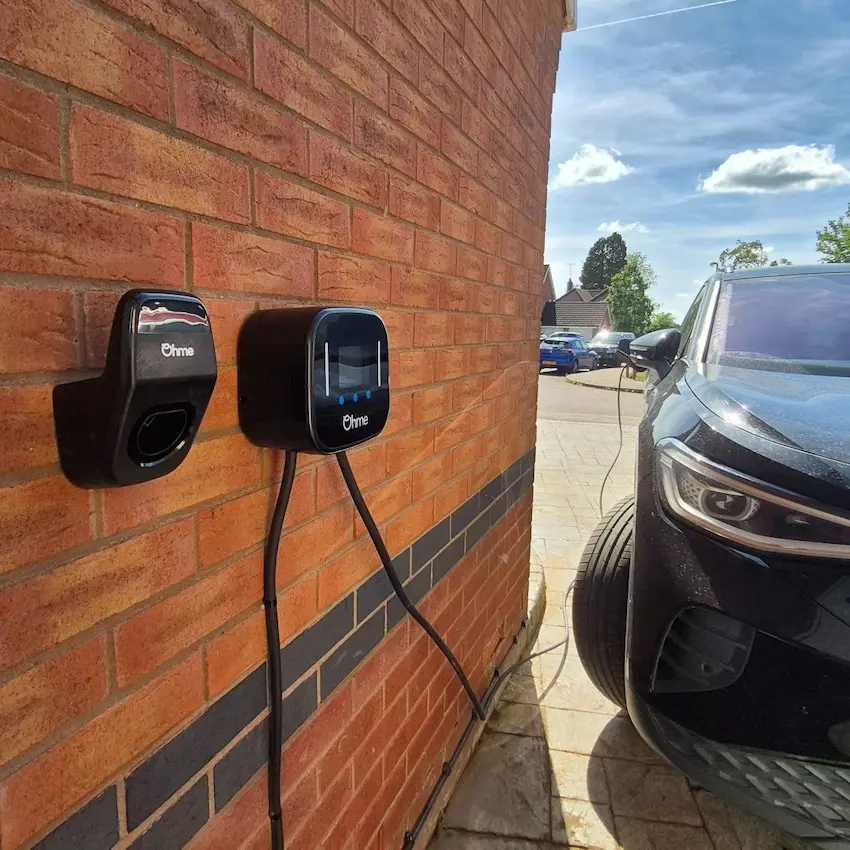
EV Charger Installation Cost in the UK – What to Expect in Banbury
EV Charger Installation Cost – What You Need to Know
If you’re looking into installing an EV charger at home, one of the first questions is usually:
“How much will it cost?”
In most cases, EV charger installation costs vary depending on cable distance, consumer unit capacity, and any additional safety requirements.”.
Every job is different, and the safest way to get an accurate price is with a proper assessment.
However, understanding what affects the cost will help you know what to expect.
What Affects the Cost of EV Charger Installation?
1. Distance from the consumer unit
The further the charger is from the fuse board, the more cable, time and work is involved.
• Short, straightforward runs are simpler
• Longer runs (or tricky routes) increase installation time
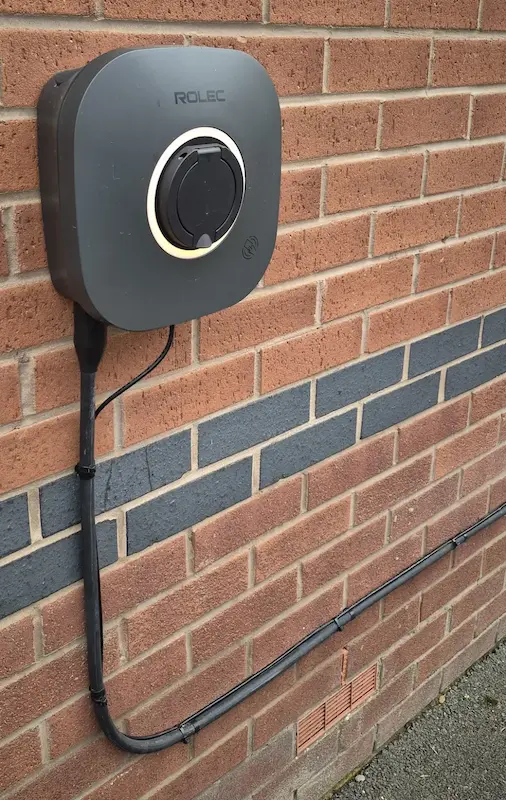
unit and charger.
In many cases, a data cable is also required between the consumer unit and the charger.
This is used for the load balancing device (CT clamp), which monitors how much power the property is using and adjusts the charger output accordingly.
Some modern EV cabling includes this data connection built in, but it still needs to be routed correctly between the consumer unit and the charger location.
2. Type and condition of your consumer unit
Your existing setup plays a big part.
• Modern boards with spare ways are usually straightforward
• Older boards may need upgrading for safety and compliance
Many installations now include RCBO protection and surge protection to meet current standards.
Even if your consumer unit already has RCD protection, it may be an older Type AC RCD.
These can be affected by the DC currents produced by modern electronic equipment, including EV chargers.
Because of this, current standards require Type A protection, which is designed to operate correctly with this type of load.
In some cases, this may mean:
• upgrading the consumer unit, or
• installing a separate small consumer unit (mini board) for the EV charger with the correct protection
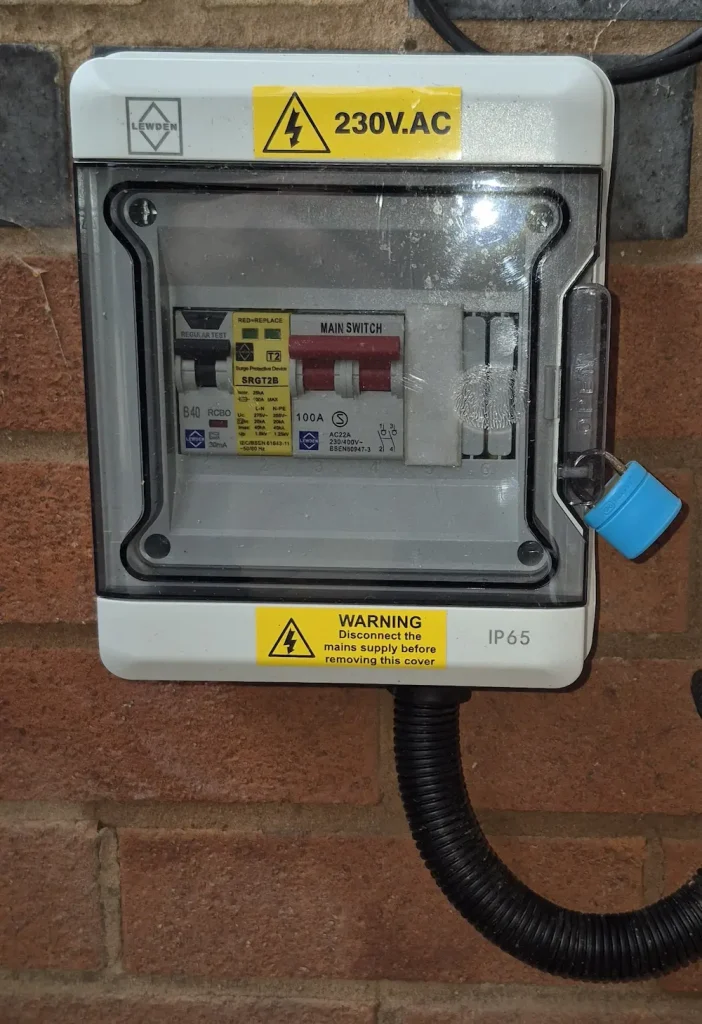
Surge protection should also be installed to help protect the EV charger and other sensitive electronics in the property from voltage spikes.
This ensures the charger operates safely and doesn’t cause nuisance tripping or reduced protection.
3. Earthing arrangement and safety requirements
This is a key one that’s often overlooked.
Depending on your supply type, additional protection may be required, such as:
• PEN fault protection (common with EV chargers)
• Additional earthing arrangements
What is PEN fault protection?
Some UK properties use a combined neutral and earth supply (PME system). If this connection fails, parts of the installation — including the car — could become live.
PEN fault protection automatically disconnects the charger if this fault is detected, helping to keep the installation safe.
Additional earthing requirements
As with any electrical installation, the main earthing and bonding will be checked as part of the work.
If these are not up to current standards, they may need to be upgraded to ensure the installation is safe and compliant.
4. Charger type and features
Different chargers vary in price and installation requirements.
• Smart charging features
• App control
• Load balancing
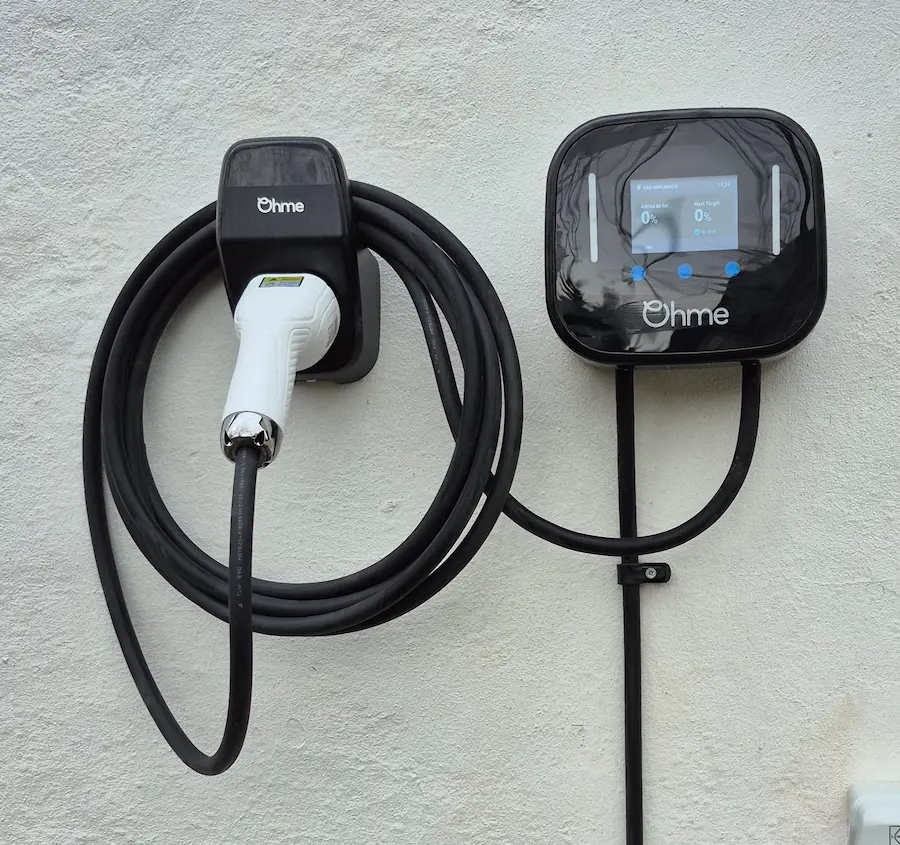
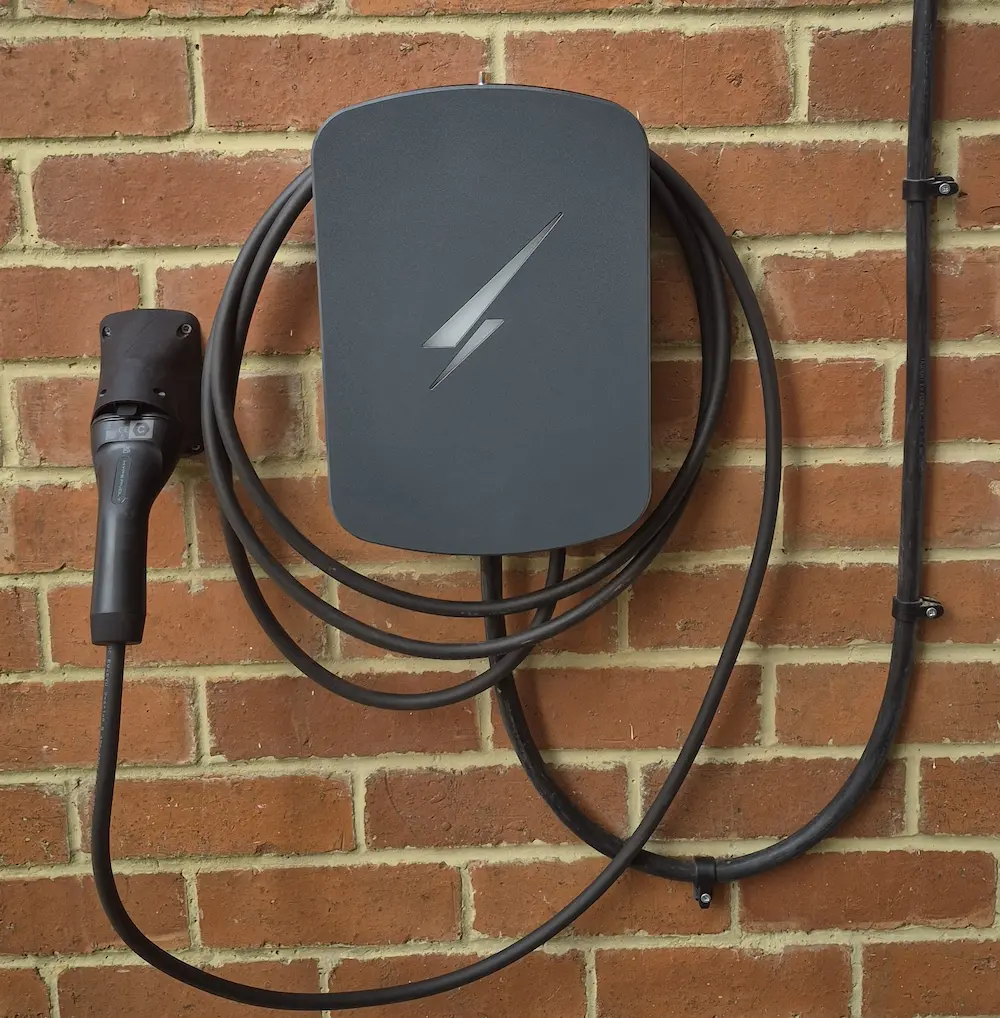
You’ll also need to choose between a tethered or untethered charger:
• Tethered chargers have the cable attached, making them quick and convenient to use
• Untethered chargers have a socket only, allowing you to use your own cable and keep the installation looking neater
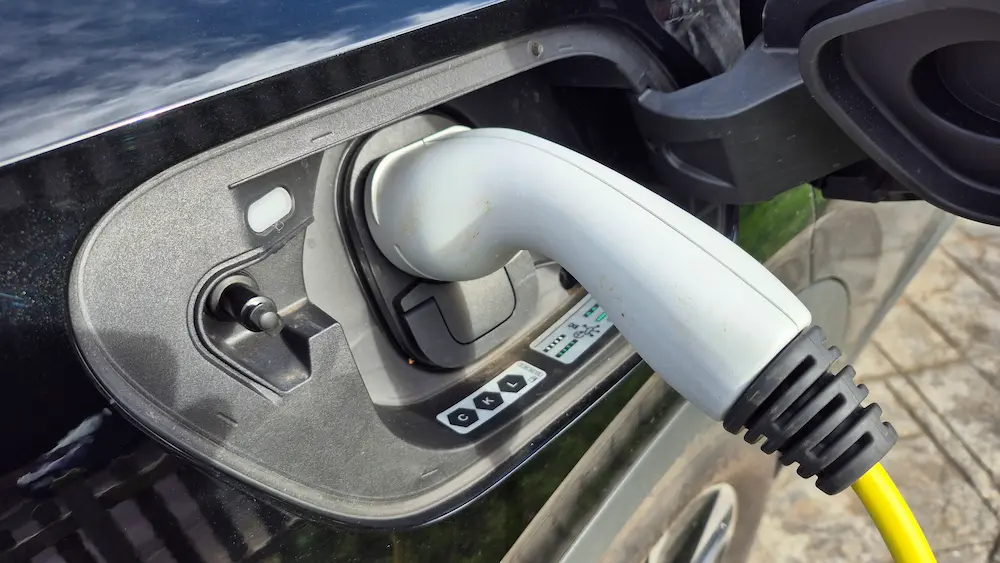
Popular models like the Hypervolt Home 3 Pro and Ohme chargers each have slightly different setup requirements.
5. DNO notification or approval
In some cases, your electricity supplier (DNO) needs to be notified or approve the installation.
This is normally handled as part of the installation process, but it can affect timescales.
Occasionally, the DNO may need to carry out work on the supply, which can involve underground work. This is typically arranged directly with them and is often free of charge.
6. Installation location
Where the charger is being installed matters:
• Garage installations are often straightforward
• External walls are common and usually simple
• Detached garages or outbuildings may require additional work
In some cases, where the charger is near the meter but the main consumer unit is not ideally located, a weatherproof external consumer unit can be used, reducing the need for long cable runs.
Why Prices Can Vary So Much
You may see EV charger installations advertised at very low prices.
In reality, these often only apply to very basic installations, such as:
• Charger next to the consumer unit
• Modern electrics already in place
• No additional safety upgrades needed
Most homes require additional work to ensure everything is safe and up to current standards.
It’s always worth checking who will be carrying out the installation, and that they are a fully qualified and registered electrician able to properly certify and notify the work.
The Most Important Thing – Safety and Compliance
An EV charger is a high-load electrical installation.
It should always be installed:
• In line with BS 7671 wiring regulations
• With the correct protection in place
• Fully tested and certified
EV charger installations must also be notified under Part P of the Building Regulations, so make sure the electrician is Part P registered and able to certify and notify the work correctly.
Cutting corners to reduce cost can lead to problems later on.
Getting the Right Setup for Your Home
Rather than a one-size-fits-all price, it’s better to make sure the installation is:
• Safe
• Suitable for your property
• Designed to work reliably long-term
We will always visit the property to assess the installation before providing an estimate, so everything is quoted accurately and safely.
Typical EV Charger Installation Costs in Banbury
Most home EV charger installations typically cost between £1,000 and £1,500 for an Ohme charger, including VAT, depending on the property, cable run, and any additional electrical work required.
EV Charger Installation in Banbury & Surrounding Areas
RW Currion Electrical provides safe, professional EV charger installations for homeowners in Banbury and nearby towns and villages.
All work is carried out by Richard, a fully qualified electrician with over 35 years of experience, Part P registered with NAPIT.
You can also view our EV charger installation service in Banbury for more details.
📞 Get a Quote
If you’re based in Banbury or nearby and want an accurate price, I’m always happy to take a look and give clear advice.
Call 01295 533378 or 07740 100378