
Why have My Sockets Stop Working?
Why have My Sockets Stop Working?
If your sockets have suddenly stopped working, it can be frustrating and sometimes difficult to work out why. Issues like this are actually very common and can affect anything from a single socket to part of a whole circuit.
In most cases, this is caused by a tripped circuit, a loose connection, or a fault somewhere on the wiring.
This guide explains the most common causes of sockets not working and what to check before calling an electrician.
Common Causes of Sockets Not Working
• A tripped breaker or RCD in the consumer unit
• A loose connection somewhere on the circuit
• A faulty socket or accessory
• Damage to the wiring
• Overloading the circuit
• A more serious issue such as a neutral fault
Sometimes the fault will affect just one socket, while other times it can take out multiple sockets or even part of the property.
Tripped circuit or RCD
One of the most common causes is a tripped circuit breaker (MCB) or RCD in the consumer unit, both designed to protect the installation. When a fault is detected, the circuit will automatically shut off to protect the wiring and prevent electric shock.
This can leave a group of sockets without power, even though the rest of the house is working normally.
Often this is caused by a faulty appliance, such as a toaster or hair dryer.
In some cases, even a simple power cut can cause an RCD to trip, leaving sockets without power until it is reset.
RCDs can also trip if outdoor equipment gets wet, such as garden sockets, lighting or extension leads exposed to the weather.
Faulty appliance
A faulty appliance plugged into the circuit can cause it to trip or stop working altogether. This is often one of the first things to check, especially if the issue started after using a particular appliance.
Unplugging items and resetting the circuit can sometimes help identify the cause. If you plug appliances back in one at a time and the circuit trips again, that’s usually the culprit.
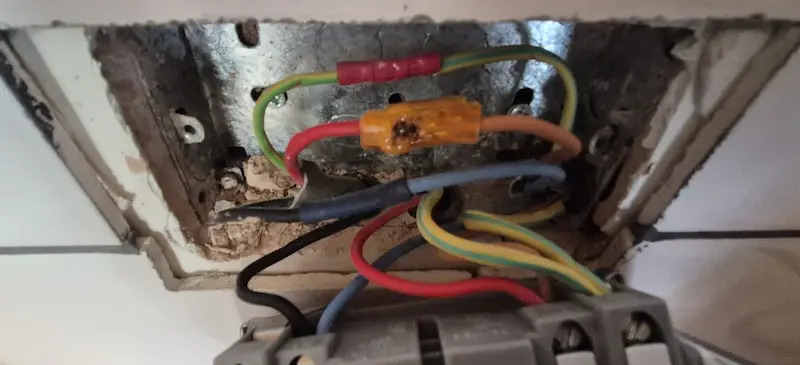
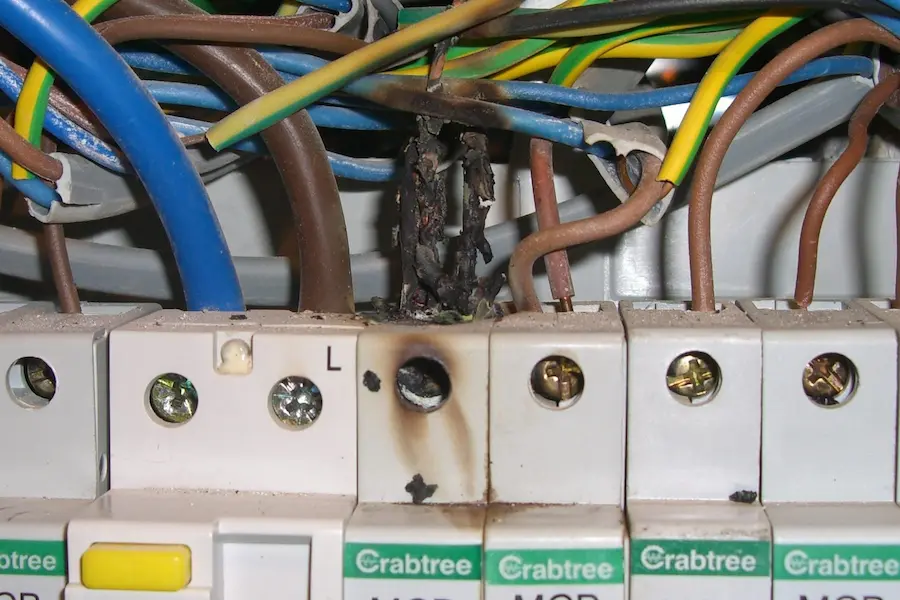
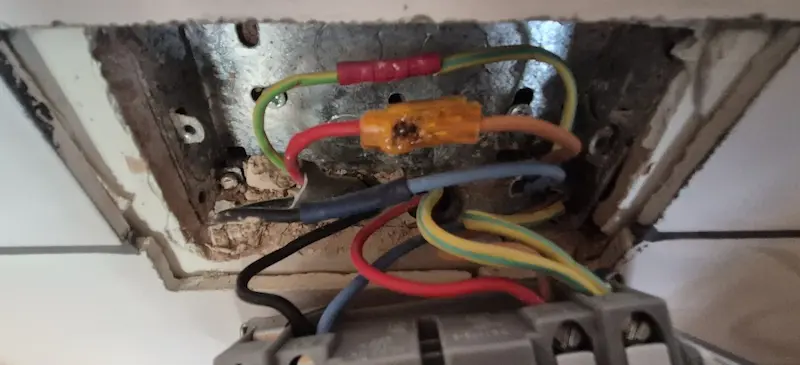
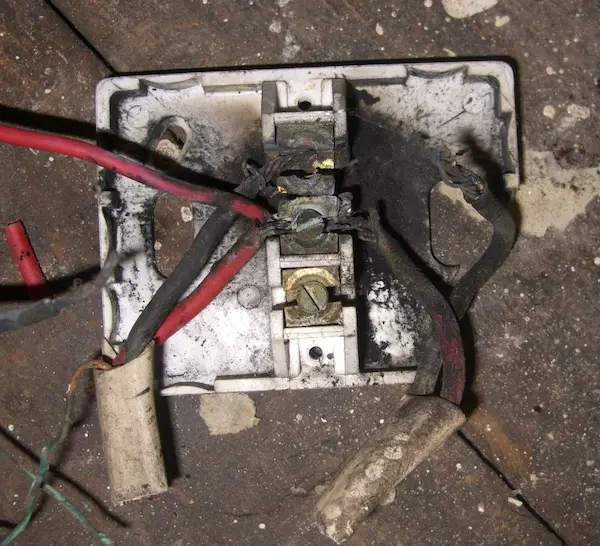
Loose or burnt connections
Connections can loosen over time or be affected by poor previous work. This can lead to overheating, intermittent faults, or complete loss of power.
I regularly come across burnt or damaged connections when fault finding, and in some cases you can clearly see signs of electrical arcing where the connection has been failing over time.
Issues like this are often picked up during an EICR (Electrical Installation Condition Report), helping identify problems before they become more serious.
Damaged socket or wiring
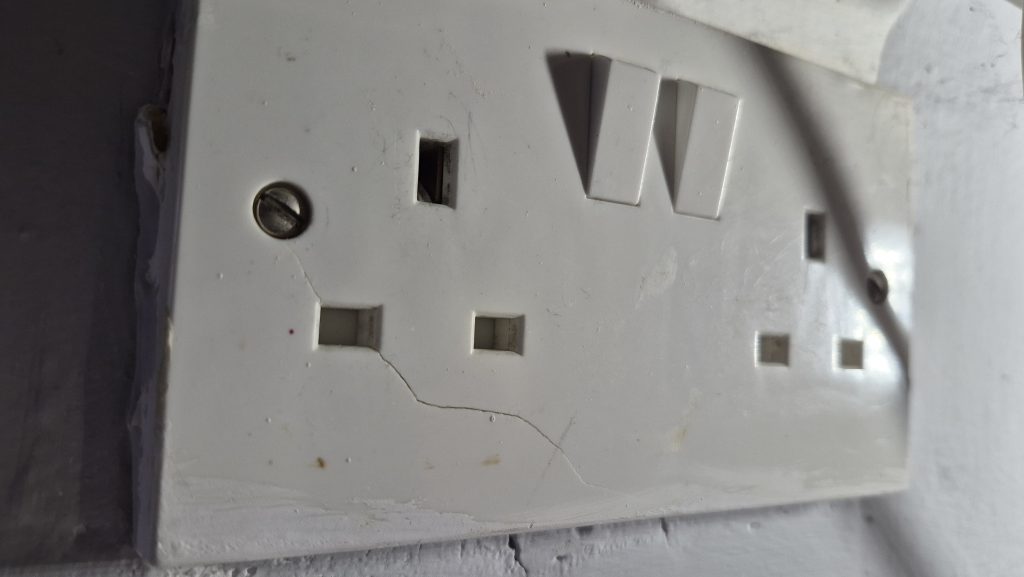
Sockets, like anything, can wear out or become damaged over time, particularly in older properties. Internal wiring faults can also develop, especially where cables have been disturbed or installed incorrectly.
I still regularly see sockets and switches in use that are over 60 years old, which have naturally worn over time and can lead to poor connections and reliability issues.
If your property is older and hasn’t been rewired, it may still have older cable types that can degrade over time and become brittle or unsafe.
These types of issues are not always visible and often require proper testing to locate.
Overloaded circuit
Too many appliances running on one circuit can overload it, particularly in kitchens or areas with high power usage. This can cause the breaker to trip and leave sockets without power.
For example, running appliances like a washing machine, tumble dryer, kettle and toaster at the same time can easily overload a circuit.
This is often made worse by extension leads being plugged into other extension leads, which can overload a single socket.
Over time, repeated overloading can also contribute to wear on connections and protective devices.
Damaged cables in the walls
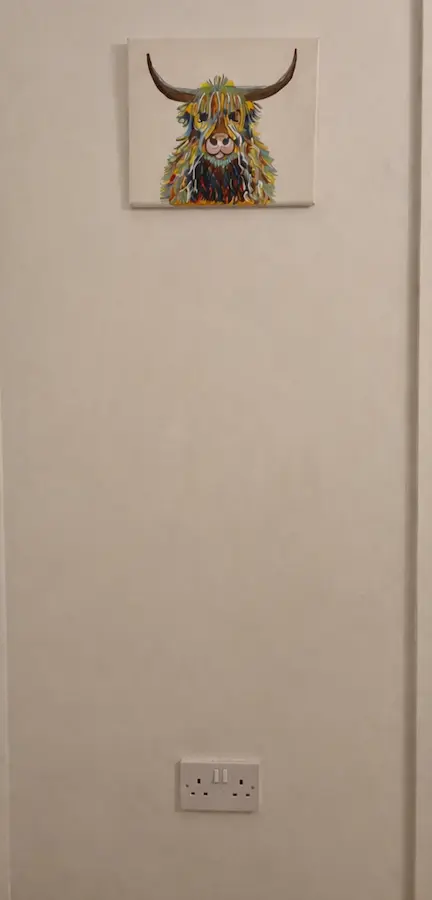
I often get called out to faults where cables in the walls have been damaged after someone has drilled in to put up a picture, shelf or TV bracket.
This commonly happens above or below sockets and switches, where cables are usually routed in what are known as wiring zones.
In many cases, the damage isn’t obvious straight away, but can lead to tripping, loss of power or intermittent faults over time.
If you’re putting anything on a wall, it’s always worth checking if there’s a socket or switch nearby before drilling — damaging cables in the wall can make quite a mess of the plaster and decoration to repair.
If you’re unsure where cables run, it’s important to check before drilling — you can read more in our wiring zones guide.
Fault within the consumer unit
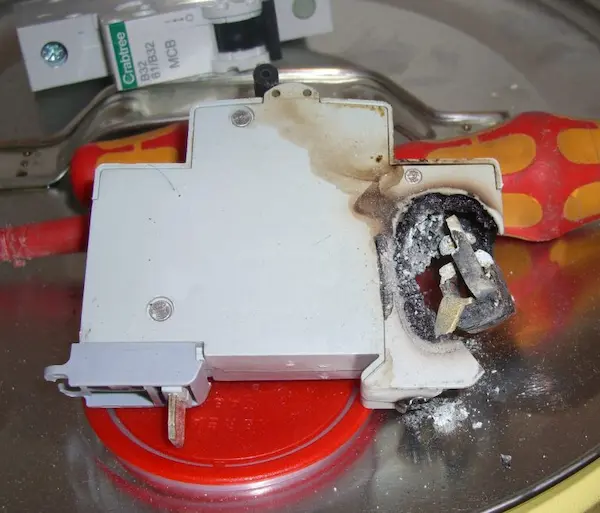
In some cases, the issue can be within the consumer unit itself. Faulty breakers (MCBs), RCDs or internal connections can fail over time, leading to loss of power on a circuit.
This is less common, but something I do come across — especially where there has been overheating or damage inside the unit.
If a circuit won’t reset, or keeps tripping with nothing plugged in, it can indicate a fault within the consumer unit that needs to be checked properly.
What Are the Dangers?
A loose or damaged connection can generate heat, which may lead to overheating or even a fire risk if left unresolved. In some cases, faults can worsen over time before becoming more noticeable.
I often see issues like this in homes across Banbury, where a small hidden fault has gradually developed into a bigger problem.
If your sockets have stopped working and you’re unsure why, it’s always best to get it checked.
Real Example
I’ve come across situations where sockets stopped working due to loose or burnt connections hidden behind sockets or under floors.
In some cases, you can clearly see signs of electrical arcing at the connection, showing the fault has been developing over time rather than happening suddenly.
This type of hidden connection is a common cause of intermittent faults and loss of power.
What to Check First If Your Sockets Have Stopped Working
Before calling an electrician, there are a few simple things you can check:
• Check your consumer unit for any tripped breakers or RCDs
• Try other sockets to see if the issue is isolated to one socket or affecting a whole circuit
• Unplug appliances, reset the breaker, then plug items back in one at a time to see which appliance trips it
If the problem continues or the circuit won’t reset, it’s likely there is a fault that needs investigating.
When to Get It Checked by a Professional
If:
• Multiple sockets stop working
• The circuit won’t reset
• The problem keeps coming back
• Or something doesn’t seem right
…it’s always best to get it checked properly. Electrical faults can worsen over time if left unresolved.
Related Electrical Advice
• Why does my RCD keep tripping?
• What is an EICR and do I need one?
• Wiring zones explained (before drilling into walls)
Need Help With Sockets Not Working?
If you’ve got sockets not working in Banbury or the surrounding villages, feel free to get in touch — I’m always happy to take a look.
📞 Call Richard on 07740 100378 or 01295 533378