What Is PEN Fault Protection for EV Chargers?
If you have been researching EV charger installations, you may have heard electricians mention something called PEN fault protection.
It is one of the additional safety requirements often associated with modern EV charger installations in the UK, particularly on TN-C-S earthing systems commonly found in domestic properties.
At RW Currion Electrical, PEN fault protection is something we assess during EV charger quotations and installations across Banbury and the surrounding villages.
What Does PEN Mean?
PEN stands for:
• Protective
• Earth
• Neutral
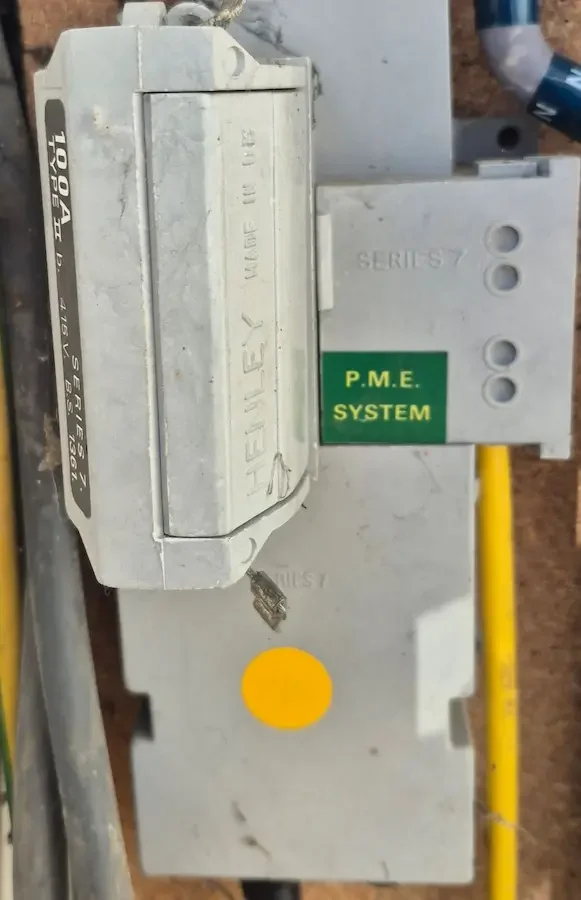
On many UK domestic electrical supplies, the earth and neutral are combined together within part of the supply network before being separated within the property installation.
This system is commonly known as a TN-C-S or PME earthing system.
Why Is PEN Fault Protection Needed for EV Chargers?
As the earth and neutral are connected together within part of a TN-C-S (PME) supply system before entering the property, a fault or break in the outside PEN conductor — sometimes referred to as a “lost neutral” fault — can potentially allow dangerous voltages to appear on metalwork connected to the earthing system within the property. This can happen because electrical current will attempt to return to earth through the installation’s earthing system and connected metalwork.
As electric vehicles are often charged outdoors and connected to the electrical installation for long periods of time, additional protection measures are required to reduce this risk.
This is why modern EV charger installations often include built-in PEN fault protection or alternative earthing arrangements depending on the charger type and installation design.
PEN fault protection devices monitor the supply voltage and disconnect the charger if unsafe conditions are detected. The protection is designed to operate before voltages exceed dangerous levels, typically around 70 volts, although many chargers will disconnect at much lower voltages depending on the manufacturer and protection design.
Do All EV Chargers Have PEN Fault Protection?
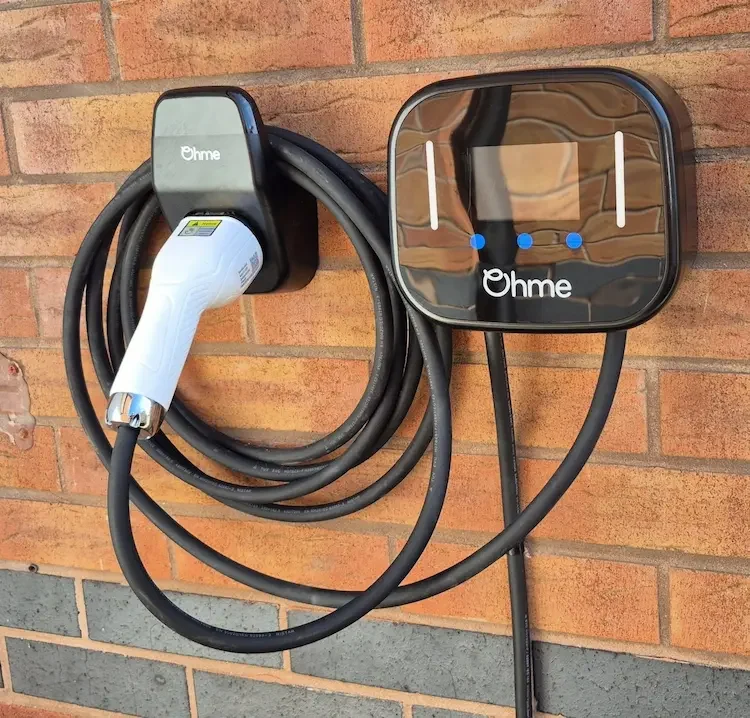
Most modern EV chargers now include built-in PEN fault protection as standard.
This means the charger continuously monitors the supply and can automatically disconnect charging if certain fault conditions are detected.
However, not all chargers provide the same protection methods. Some chargers, including certain Tesla wall connectors, may require a separate open PEN protection device or alternative earthing arrangement as part of the installation.
This is one reason why EV charger installations should always be properly assessed and installed by a qualified electrician familiar with current EV charging regulations.
What Happens During an EV Charger Installation?
During an EV charger installation, the electrician will normally assess:
• The type of earthing system at the property
• Whether PEN fault protection is required
• The suitability of the existing consumer unit
• RCBO and surge protection requirements
• Cable routes and installation location
• Whether load balancing may be needed
In some cases, additional earthing arrangements or installation methods may be required depending on the property and charger being installed.
Are Older Properties Different?
Some older properties around Banbury and surrounding villages may have older earthing arrangements or installations that require further assessment before an EV charger can be safely installed.
However, as most modern EV chargers now include built-in PEN fault protection, this is not usually a problem and suitable protection can normally be provided as part of the installation.
This is one reason why EV charger installations should never simply be treated as adding another socket or outdoor supply.
Helpful EV Charging Guides
• Can My Consumer Unit Handle an EV Charger?
• What Is Load Balancing for EV Chargers?
• Can I Charge an EV From a Normal Socket?
• Tethered vs Untethered EV Chargers
• How Fast Will My EV Charge at Home?
• Best Location for an EV Charger?
If you are considering an EV charger installation and would like advice on earthing arrangements, PEN fault protection or consumer unit suitability, RW Currion Electrical can help.
EV Charger Installations in Banbury
RW Currion Electrical installs EV chargers across Banbury and surrounding areas with the correct protection, testing and certification in accordance with current BS 7671 wiring regulations.
• City & Guilds 2921 qualified in domestic and small commercial EV charger installation
• Fully compliant with Part P requirements and EV charging safety standards
• Assistance with DNO notification where required
• Full testing and certification provided
• Honest advice on EV charger suitability and installation requirements
For honest advice on EV charger installations, consumer unit suitability and home EV charging requirements, visit our EV Charger Installation service page or get in touch for a free quote.
Call now: 01295 533378
Mobile: 07740 100378