
Can I Charge an EV From a Normal Socket?
Charging an electric car from a normal 3-pin socket is possible with the right portable charging lead, but it is much slower than using a dedicated home EV charger.
For regular home charging, a properly installed EV charger on its own dedicated circuit is normally the safer, faster and more practical option.
At RW Currion Electrical, we install EV chargers in Banbury and the surrounding villages, including Adderbury, Bloxham, Bodicote, Deddington, Kings Sutton and nearby areas. Richard can check the existing electrics, advise on charger options and explain the safest way to charge your electric vehicle at home.
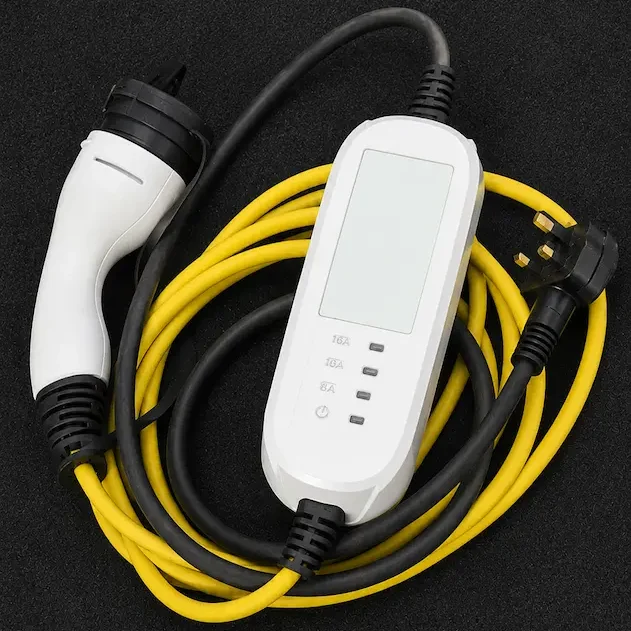
Using a 13 Amp Plug to Charge an Electric Car
Many people try charging from a normal 13 amp plug before realising how long it takes.
A portable EV charging lead, often called a granny charger, can be useful as an occasional backup, but it is much slower than a dedicated home EV charger.
A normal socket was not designed with regular long-duration EV charging in mind. Electric vehicles can draw power for many hours, so the condition of the socket, wiring, plug, connections and circuit all matter.
If you are using a 3-pin EV charging lead, the socket should be in good condition, correctly installed and suitable for the load being placed on it.
What Are Mode 1 and Mode 2 EV Charging?
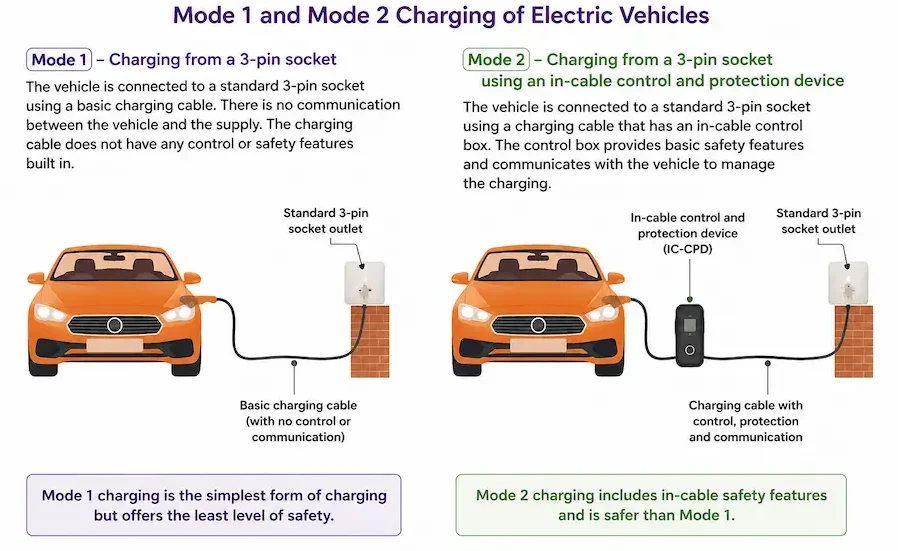
There are different charging modes for electric vehicles with a normal socket.
Mode 1 charging is basic charging from a socket outlet without the same level of control and protection provided by a proper EV charging lead. It is not recommended for normal EV charging and should only ever be treated as an emergency charging method where no better option is available.
Mode 1 charging is not suitable for regular home EV charging because the required protection, including RCD protection, cannot be properly guaranteed.
Mode 2 charging is the type usually associated with a portable 3-pin EV charging lead, often called a granny charger. The lead has an inline control box built into it, which manages the charging process and includes additional safety features.
Even with a Mode 2 charging lead, the socket and circuit still need to be suitable. EV charging can place a continuous load on the electrical installation for many hours, so the condition of the socket, wiring, connections, RCD protection and consumer unit all matter.
A Mode 2 granny charger can be useful as an occasional backup, but for regular home charging a dedicated EV charger on its own circuit is normally the better long-term solution.
What Is a Granny Charger?
You may have heard people call a portable EV charging lead a granny charger.
A granny charger is the common name for a portable EV charging lead that plugs into a normal 3-pin socket. One end plugs into the socket, and the other end plugs into the electric vehicle.
The lead usually has a control box built into it, which helps manage the charging process.
The name sounds a bit daft, but it is widely used. It usually refers to a slower portable charger that can be used when a dedicated EV charger is not available.
Granny chargers can be handy when visiting family, staying away from home or charging slowly in an emergency. They are not usually the best everyday charging setup if you own the property and can have a dedicated charger installed.
Can I Use an Extension Lead for EV Charging?
Using an extension lead for EV charging is not recommended.
EV charging can run for many hours, and extension leads can introduce extra risks, especially if they are cheap, damaged, undersized, partly coiled up, overloaded or used outdoors without suitable protection.
Longer cable runs can also cause voltage drop. Some EV charging leads or vehicles may detect this and reduce the charging rate, or may refuse to charge if the supply is not suitable.
If the charging lead will not reach the car safely, the better answer is usually to have a dedicated EV charger installed in a suitable location.
A proper EV charger installation can be positioned where it is convenient for the vehicle, with the correct cable route, electrical protection and certification.
Why Is a Dedicated EV Charger Better?
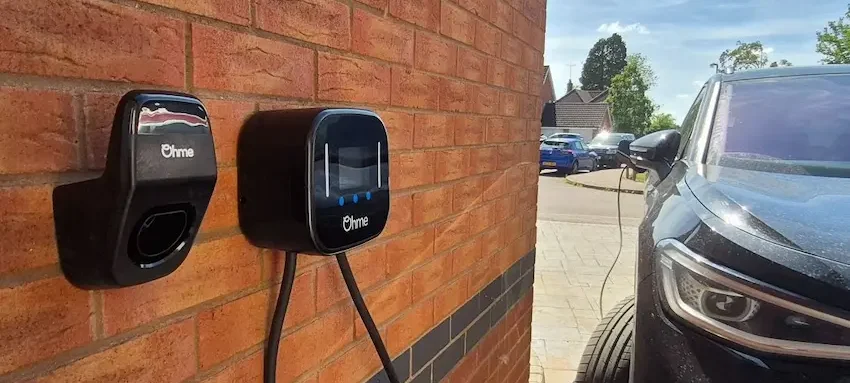
A dedicated EV charger is normally installed on its own circuit with suitable electrical protection.
This makes it much better suited to regular home EV charging than a normal 3-pin socket.
A dedicated home EV charger can usually offer:
• Faster charging, usually around 7kW on a domestic single-phase supply
• A dedicated circuit for the EV charger
• Suitable protection such as a Type A RCBO
• Surge protection where required
• Built-in or separate PEN fault protection where needed
• Load balancing where suitable
• Smart charging and off-peak scheduling
• Neater cable management
• Proper testing, certification and Part P notification where applicable
This gives a safer, neater and more practical charging setup for daily use.
What If I Only Drive Short Distances in My EV?
If you only drive short distances, a granny charger may be enough to replace the miles you use each day.
For example, if your EV only uses a small amount of battery each day, slow overnight charging from a 3-pin plug may be enough to keep it topped up.
However, it still depends on the condition of the socket, the circuit, how often you charge and whether the setup is suitable for long charging periods.
Even low-mileage drivers often prefer a dedicated charger because it is quicker, tidier and easier to use.
For regular home charging, a dedicated EV charger is normally the better long-term solution, even if you do not drive high mileage every day.
Related EV Charger Advice
If you are planning a home EV charger installation, these advice pages may also help:
• EV Charger Installation in Banbury
• EV Chargers Advice Hub
• How Fast Will My EV Charge at Home?
• Can My Consumer Unit Handle an EV Charger?
• What Is Load Balancing for EV Chargers?
• What Is PEN Fault Protection?
• Tethered vs Untethered EV Chargers
• Can I Have an EV Charger Without a Driveway?
EV Charger Installation in Banbury and Nearby Villages
RW Currion Electrical installs dedicated home EV chargers across Banbury and the surrounding villages, giving homeowners a safer, faster and more convenient alternative to regular 3-pin plug charging.
• Dedicated EV charger circuits installed correctly
• Suitable protection such as Type A RCBOs and surge protection where required
• Consumer unit, earthing and bonding checked before installation
• Load balancing advice where the property supply needs it
• DNO notification handled where required
• Full testing, certification and Part P notification provided
• Clear advice on charger choice, cable routes and charger location
• Work carried out by Richard, an experienced electrician in Banbury
For regular EV charging at home, a dedicated charger is usually the better long-term solution. Learn more on our EV charger installation service page or contact Richard for honest advice.
Call now: 01295 533378
Mobile: 07740 100378